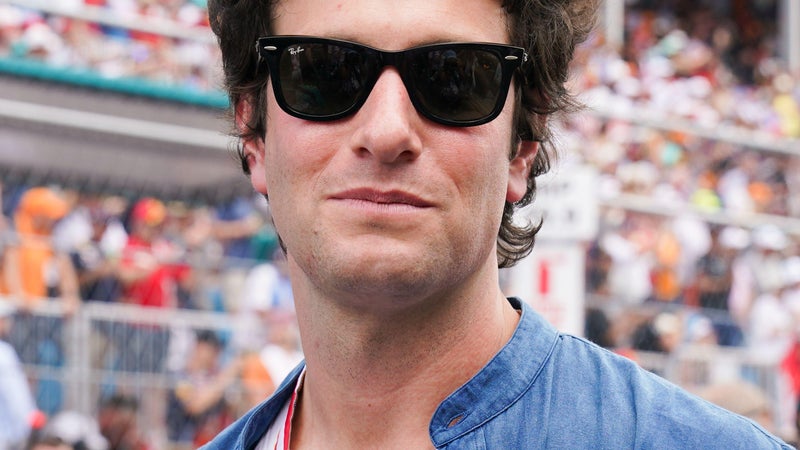
Joshua Kushner, the investor once considered the frontrunner to partner with FIFA on a controversial plan to sell stakes in the World Cup, has publicly addressed the project’s collapse for the first time. Speaking on Monday evening, he acknowledged deep regret over how badly the initiative unraveled after being floated by FIFA president Gianni Infantino in the wake of the 2026 World Cup.
What was FIFA’s World Cup stake sale plan?
The proposal, championed by Gianni Infantino following the conclusion of the 2026 tournament, involved opening up commercial ownership of parts of the World Cup to private investors. Kushner, a prominent American businessman with ties to major investment ventures, was widely reported to be the leading candidate to strike a deal with football’s governing body, positioning him as a potential financial partner in one of sport’s most valuable properties.
News of the plan triggered significant backlash across the football world, with critics accusing FIFA of attempting to commercialize and privatize an event considered a global public good. The intensity of the reaction reportedly caught those involved off guard, ultimately contributing to the project’s downfall.
Why did Kushner express regret over the project?
Kushner’s comments reflect an acknowledgment that neither he nor his partners anticipated the scale of the controversy the plan would generate. He suggested that had the extent of the backlash been foreseeable, the approach would likely have been handled differently from the outset.
“If we had known how badly this would spiral, we would have approached things differently,” Kushner said.
His remarks mark the first direct public reaction from someone closely tied to the deal, offering a rare glimpse into how those behind the scenes viewed the fallout. The statement comes as FIFA continues to face scrutiny over its commercial strategies following the 2026 World Cup.
What happens next for FIFA’s commercial strategy?
With the stake sale plan effectively shelved amid the controversy, attention now turns to how FIFA and Infantino will approach future revenue-generating initiatives without triggering similar backlash. Kushner’s admission signals that even prospective partners recognize the reputational risks tied to treating the World Cup as a tradeable commercial asset.
For now, no new details have emerged regarding an alternative structure or partner for FIFA’s commercial ambitions, leaving the governing body to reassess its options following the scrapped deal.