
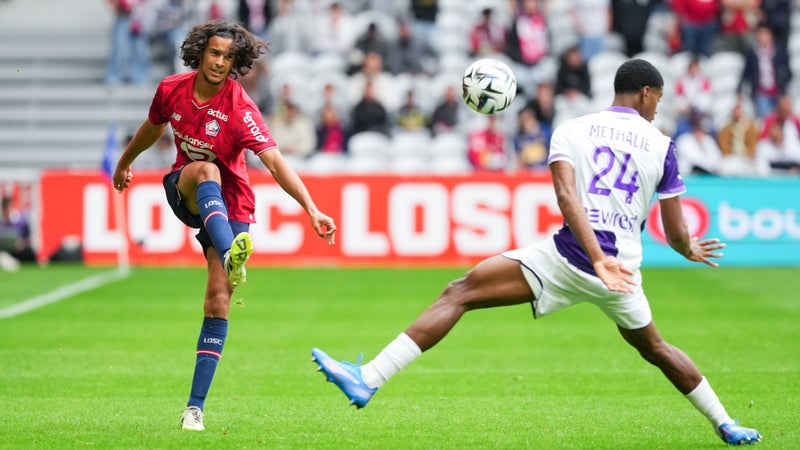
French Ligue 1 clubs collected roughly €1.3 billion from player sales during the summer 2026 transfer window, which closed on September 1, according to data from Transfermarkt. The figure marks the highest sales total ever recorded by French clubs in a single mercato, prompting economists to examine the reasons behind the spike and what it signals about the health of French football’s finances.
Why did French clubs sell so much this summer?
The record revenue stems largely from a combination of financial necessity and a favorable market for outgoing talent. Christophe Lepetit, director of economic studies at the Centre de droit et d’économie du sport (CDES), explained to RMC Sport that French clubs, many of which operate under tight budgetary constraints and strict oversight from the league’s financial watchdog, have increasingly relied on player sales to balance their books and fund squad rebuilding.
According to Lepetit, this trend reflects a broader shift in Ligue 1’s economic model, where clubs generate less revenue from broadcasting rights and matchday income compared to other major European leagues, making transfer sales a critical revenue stream. The strong appetite from clubs in England, Saudi Arabia, and elsewhere for French talent has also pushed valuations upward, allowing Ligue 1 sides to cash in at higher prices than in previous years.
The record total shows both the appeal of French talent abroad and the financial pressure clubs face at home, the economist noted.
Is this record figure a positive sign for French football?
Not necessarily, according to Lepetit, who cautioned that while the €1.3 billion figure looks impressive on paper, it may also point to structural weaknesses in the French football economy. Heavy reliance on selling star players to stay financially viable can undermine competitiveness on the pitch, as clubs are forced to part with key assets rather than build long-term squads.
Lepetit suggested that the trend could continue in coming years unless French clubs diversify their revenue sources, particularly through improved broadcasting deals and infrastructure investment. Without such changes, Ligue 1 risks becoming increasingly known as a selling league, exporting talent rather than retaining it to strengthen its own competitive standing in Europe.