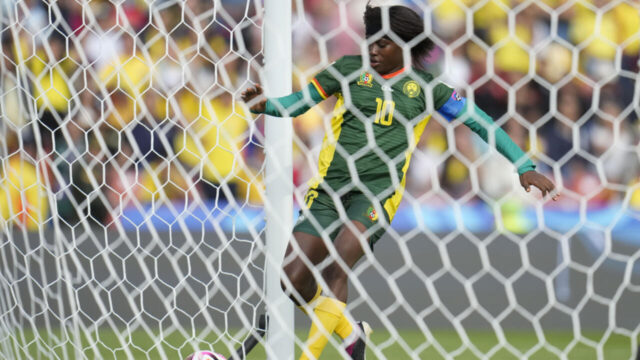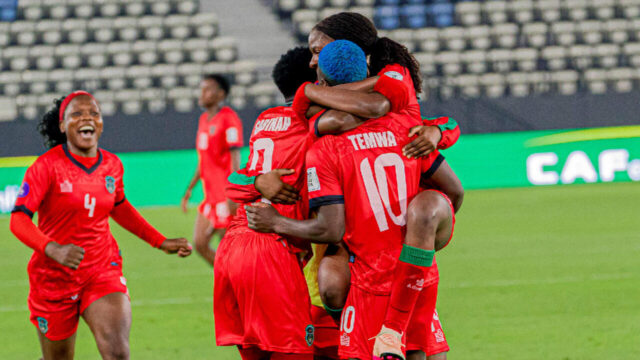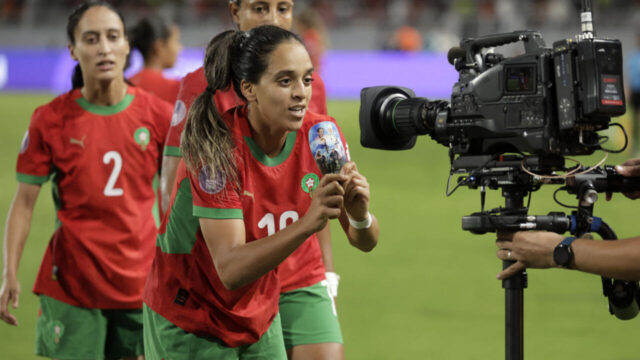

Before the 16 August 2026 Women’s Africa Cup of Nations final in Rabat, Cameroon and Malawi shared a clear ambition: neither had won the continental title. But their paths there were strikingly different. Cameroon had lost three previous finals, all to Nigeria; Malawi was in the competition for the first time. That made the meeting a useful test of experience against the form of a debutant, rather than a simple contest between two unknown teams.
What did each finalist bring to Rabat?
Cameroon reached the final after beating Nigeria 1–0 in the quarter-finals and Morocco on penalties following a scoreless semi-final, according to CAF. It had not conceded a goal in the knockout stage. Malawi, meanwhile, arrived with 12 tournament goals, the strongest attacking total ahead of the final, and the Chawinga sisters were central to its campaign. Those are measurable contrasts: Malawi had the higher attacking output, while Cameroon had a stronger knockout defensive record.
The original preview suggested Cameroon was a slight favourite based on its goalkeeper, but no comparable probability or objective measure was supplied. Results from previous finals alone cannot tell us the odds of a new one. A more useful pre-match question was whether Malawi could score against a defence that had just kept Nigeria and Morocco out.
What the final showed
CAF’s official account records a 3–0 Cameroon win, with Marie Ngah scoring in the 20th and 45+3 minutes and Naomi Ndjoah Eto in the 30th. All three goals came before half-time. Malawi failed to score for the first time in the knockout finale, and Cameroon ended its run of final defeats. One match does not prove a permanent change in the balance of African women’s football, but it does establish a fourth distinct Women’s AFCON winner.
This page preserves the original pre-final comparison and adds the verified outcome. For the match chronology and the players’ roles, see our detailed final report.